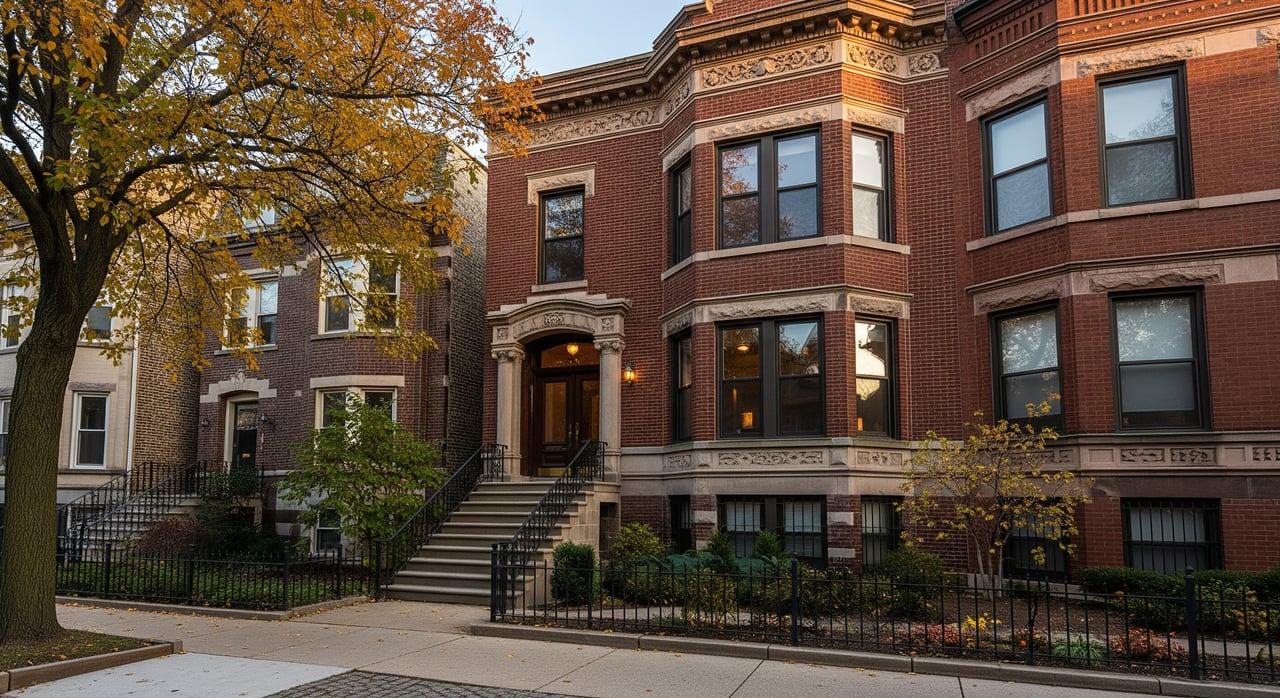
Tax Prorations and Escrows: A Lincoln Square Buyer’s Guide
November 6, 2025
November 6, 2025
Buying in Lincoln Square and trying to pin down your cash to close? Two quiet line items can shift your bottom line: tax prorations at closing and the lender’s escrow account. It is normal to feel unsure about how they work together, especially with Cook County’s payment timing and exemptions. In this guide, you will learn how prorations are calculated, what your lender will collect for escrow, and how to negotiate the details so you are not surprised at the closing table. Let’s dive in.
Cook County property taxes come from two parts working together: an assessed value and tax rates set by local taxing districts. Your bill can include the city, schools, parks, libraries, and other districts on one statement. The Assessor values the property and processes exemptions, while the Treasurer issues the bills and accepts payments.
Because of the billing schedule, taxes are often effectively paid in arrears for periods you already lived through. That timing is why prorations are needed when a property changes hands. At closing, the goal is to split the current tax year’s bill between seller and buyer based on how long each owned the home during that year.
Exemptions like homeowner, senior, or disability-related exemptions can reduce taxable value if you live in the property as your primary residence. These exemptions must be applied for and maintained. They do not always carry over automatically when you buy, so plan to confirm and file after closing if you qualify.
Your bill can also include special service areas (SSAs), special assessments, or other charges. Any unpaid prior-year taxes and penalties can become liens that must be cleared before you take title.
A tax proration is a settlement adjustment that allocates the current tax year’s bill between the seller and you. Each party pays their share for the days they owned the property during the tax period that includes the closing date.
Most Chicago contracts use a per diem method. The title company or attorneys use the most recent full tax bill as the starting point. If the full bill is not yet available, they often annualize the latest installment or use last year’s total. Contract language controls through which day the seller pays, so be sure the clause matches your intent.
Example, illustrative only: If the annual tax is $6,000, the daily rate is about $16.44. If the seller owned 120 days of the tax year through closing, the seller’s share is about $1,972. You receive that amount as a credit on your closing statement.
If the current year’s bill is not out, the parties still prorate using the most recent reliable number. Title companies also hold back funds or require credits to cover unpaid items. If the final bill changes materially from the estimate, contracts often allow a post-closing adjustment.
Consider asking your agent or attorney to include clear proration terms. Examples you might see in Chicago contracts:
If you finance your purchase, your lender may require an escrow account for property taxes and homeowners insurance. You pay a portion of these costs each month with your mortgage payment. The lender then pays the bills when they come due.
Lenders typically collect an initial deposit at closing to fund your escrow until the first disbursement date. The deposit usually includes a cushion plus the partial months between closing and the next scheduled tax or insurance payment. Under federal RESPA rules, the cushion the lender holds is generally capped at the equivalent of two months of escrowed disbursements, subject to investor or program requirements.
A simple estimate is: annual property tax plus annual homeowners insurance, divided by 12. If taxes rise and the account runs short during the lender’s annual escrow analysis, your lender may ask for a lump-sum payment, increase your monthly escrow amount, or a mix of both.
Many lenders require escrow when you put less than 20 percent down or per investor rules such as conventional, FHA, or VA programs. Some allow waivers in limited cases. Ask your lender early so you can plan for both the initial deposit and the monthly payment.
Use this step-by-step approach to avoid surprises:
Illustrative example: Purchase price $500,000 with 20 percent down is a $100,000 down payment. Last annual tax is $6,000, daily rate about $16.44. If the seller owned 120 days, you receive about a $1,972 seller credit. Your lender requires a $1,500 initial escrow deposit that includes partial months and a cushion. Your cash to close equals down payment plus closing costs and prepaids plus initial escrow, minus the seller credit.
A smooth Lincoln Square closing comes from coordination between your lender, your title company, and your agent. The right partner will help you lock in clear proration language, confirm unpaid taxes, and align escrow estimates with your timeline, so your cash-to-close number is accurate and stress free. If you want a precise plan tailored to your address and closing date, let’s talk.
Ready to estimate your cash to close with confidence? Book a Consultation with Unknown Company and get a step-by-step plan from contract to keys.

2203 W Roscoe St Chicago, IL 60618 30 Green Bay Road Winnetka, IL 60093